
Drinking water analysis service
We offer a comprehensive range of drinking water analysis services. There are two types of analysis available:
Internally, we are equipped with measuring devices that allow us to provide you with a quick response on several parameters such as pH, hardness, manganese, total dissolved solids (TDS), iron, and UV transmittance (UVT).
External analyses are carried out through our partnership with a laboratory accredited by the Ministry of the Environment. The list of parameters is very comprehensive. Among other things, we can measure metals, cyanides, sulfides, alkalinity, chlorides, nitrites, nitrates, pesticides, PFAS, arsenic, etc.
- Internal analysis
- External analysis
Internally, we are equipped with measuring devices that allow us to provide you with a quick response on several parameters such as pH, hardness, manganese, total dissolved solids (TDS), iron, and UV transmittance (UVT).
External analyses are carried out through our partnership with a laboratory accredited by the Ministry of the Environment. The list of parameters is very comprehensive. Among other things, we can measure metals, cyanides, sulfides, alkalinity, chlorides, nitrites, nitrates, pesticides, PFAS, arsenic, etc.
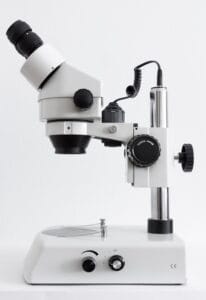
Microbiology
Physicochemical
A microbiological analysis involves testing for the presence of pathogenic microorganisms or indicators of contamination in water. It is used to assess whether the water is safe for human consumption.
These microorganisms are used to assess whether the water has been contaminated by potentially dangerous sources:
- Escherichia coli (E. coli): Indicates recent fecal contamination.
- Total coliforms: Naturally present in the environment, but in large numbers, they indicate contamination.
- Enterococci: Indicates fecal contamination.
- Physicochemical analyses of drinking water are a set of tests used to measure the physical and chemical properties of water. These analyses help to assess its quality and safety for human consumption and to detect the presence of contaminants or imperfections.
The analyses concerned include:
- Hardness
- pH
- Color (caused by tannins and lignins)
- Odor (sulfides/rotten eggs)
- Metals (iron, manganese, uranium, arsenic, lead, etc.)
- Radon

Frequently asked questions:
Why should I have the water in my home tested?
- To ensure that it is safe to drink and use.
- To detect contaminants such as bacteria, nitrates, heavy metals, or chemicals.
- To identify problems affecting plumbing, such as limescale or corrosion.
Is the water from my well safe to drink?
Not automatically. Testing is essential to verify the absence of harmful contaminants such as bacteria or nitrates.
What container can I use to bring you my water sample?
It depends on the type of analysis to be performed.
- For internal analysis, a clean, well-rinsed container will generally suffice. Ideally, the water should be collected after letting it run for at least five minutes.
- For an external laboratory analysis, such as a microbiological analysis, it is important to use the containers that we will provide. When you pick up the containers, we will give you a protocol explaining how to take the sample.
In both cases, special care must be taken to ensure that the sample is representative of your water quality!
What do the microbiological test results mean?
- Presence of coliforms or E. coli: The water is contaminated, probably with fecal matter.
- Absence of coliforms: The water is probably safe to drink (from a microbiological standpoint).

Contact information
Any questions? Need a system or analysis? Write to us, we will be happy to answer you.