Water Softeners and Filters
Consult’EAU: Your go-to source for water treatment in the Outaouais region, with guaranteed results!
What’s new:
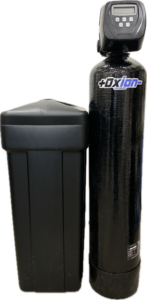
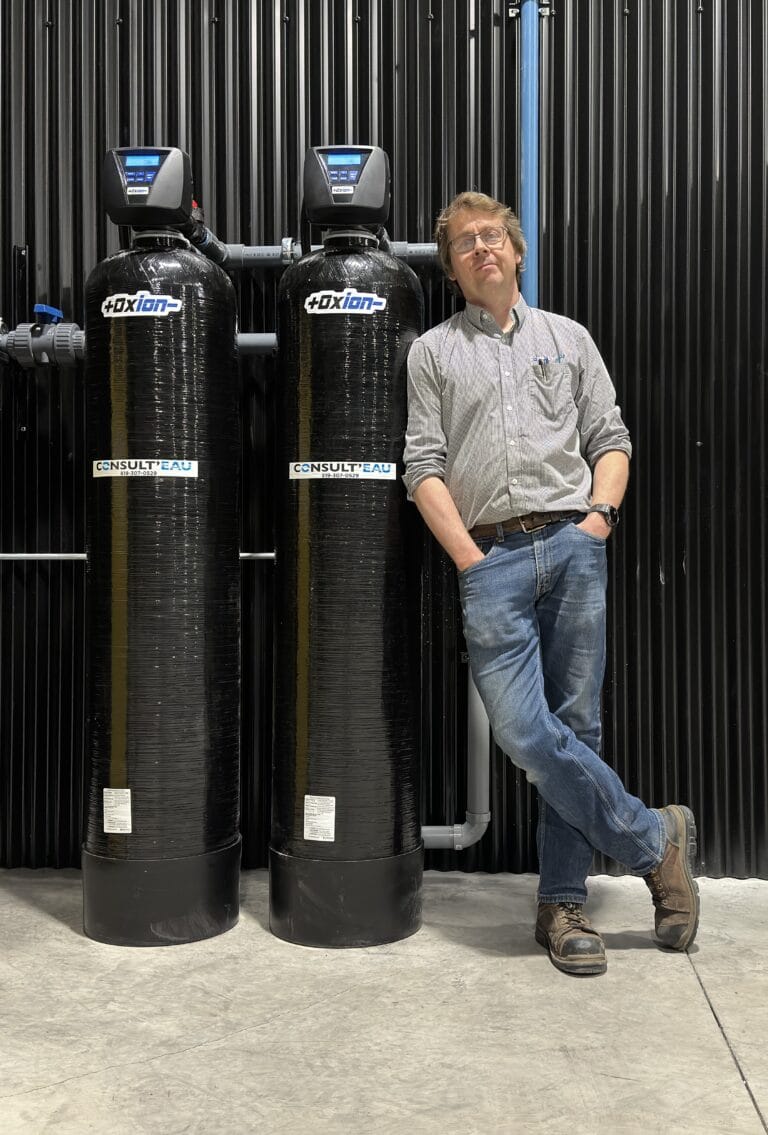
Discover our complete line of Oxion brand filtration equipment. Each piece of equipment is carefully assembled in our workshop using our expertise. Every device is built to your specifications using the best materials on the market.
Whether for residential, municipal, or commercial applications, we have the right equipment for your needs.
For a quote, nothing could be simpler: contact us! We will get back to you within 24 hours.
Oxion: equipment you can really count on!
Our equipment has the necessary certifications for each sector and application.
Water softeners and filters can solve several problems, such as:
- Hardness (hard water)
- Odors (sulfur, rotten eggs)
- Iron (reddish stains)
- Manganese (blackish stains)
- Yellowish water (tannins and lignins)
- Uranium in water
- Radon
- Etc.
Our recommendations are based on the Guide to the Design of Small Drinking Water Production Facilities published by the Quebec Ministry of Sustainable Development, Environment, Wildlife, and Parks. This guide was developed to help technicians assemble the appropriate treatment chains for the most common problems.
For a quote, nothing could be simpler: contact us by clicking here. We will get back to you within 24 hours.
Frequently Asked Questions (FAQ) about water softeners and automatic filters:
What is hard water?
Don’t panic! This is a completely natural phenomenon that occurs when rainwater seeps and percolates through the ground and comes into contact with rock formations containing minerals that it dissolves, such as calcium and magnesium. These minerals will eventually end up in your well.
This water, which now contains more minerals, can cause some inconvenience when used in the home. Problems include limescale build-up in water heaters, whitish deposits on surfaces and taps, and reduced effectiveness of soaps.
However, drinking hard water does not cause any health problems.
Is water treated with a water softener saltier?
In fact, a properly functioning water softener does not add salt to the water. The salt consumed is used to regenerate the device. To be more precise and technical, the softener only captures sodium ions (Na+) and not chloride ions (Cl-) from the salt (sodium chloride) during its regeneration cycle. In short, if your softened water tastes salty, there are two possible causes:
- Either the well water is already salty,
- Or your softener is defective.
In either case, we can help you find the right solution!
Why is the water from my well hard?
Quebec soils often contain calcium and magnesium, both of which contribute to water hardness. Water hardness can reduce the foaming effect of soaps and leave limescale deposits on faucets and glass surfaces, for example. Fortunately, there are robust and proven solutions to overcome this problem!
What are the standards for drinking water and where do they come from?
In Quebec, we have the Regulation respecting the quality of drinking water (RQEP). This regulation sets specific thresholds for various contaminants, such as nitrates, bacteria, and heavy metals. At the federal level, Health Canada provides a wealth of relevant information on each of the contaminants that may be present in drinking water, from fluoride to PFAS.
Hardness, on the other hand, is considered to have an aesthetic impact on water and is not regulated for health reasons. Hard water will have a greater or lesser impact on your daily life depending on the amount of hardness it contains. Hard water will cause limescale buildup on faucets and smooth surfaces, reduce the foaming power of soaps, and make your skin drier.
The hardness in your water is caused by calcium and magnesium ions.
A good quality water softener will provide you with soft water for at least 15-20 years.
Contact information
Any questions? Need a system or analysis? Write to us, we will be happy to answer you.